+56 9 4653 0929+56 9 5400 9693Estoril 120, Las Condes

Vision for life

We care for vision throughout life

From its development in childhood to its recovery and rehabilitation in older adults.

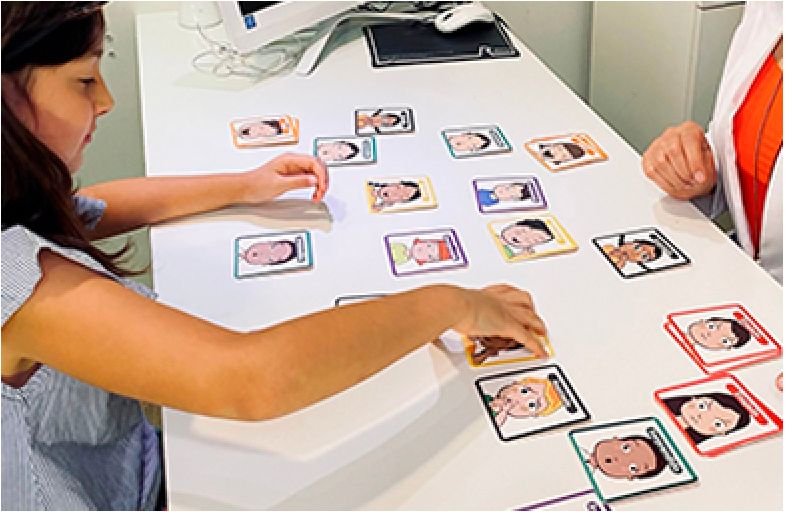
Young girl sorting cards with faces in a vision therapy session

Newborns and early childhood

Vision is built in the first months of life.

Early diagnosis can be decisive. We assess newborns, premature babies, children with neurological or genetic risk factors and children with developmental conditions.

We explain the purpose of every test to the family and involve them in treatment.

  • Development of fixation and gaze
  • Prematurity and neurological or genetic risk
  • Early visual stimulation
  • Early strabismus and amblyopia

Related areas

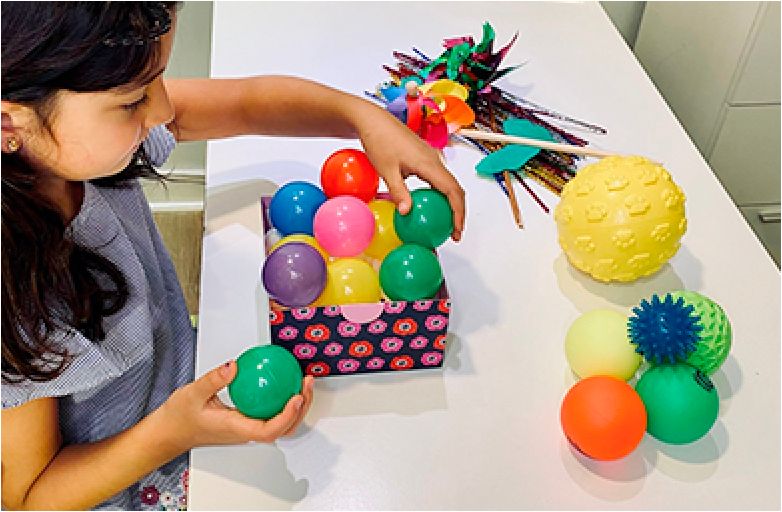
Girl playing with colored balls in vision therapy

Childhood and adolescence

Good vision supports learning, reading and play.

We follow the periods when the visual system is still adaptable and the eye is growing, when timely treatment can change the outlook.

  • Amblyopia and the adaptable period of the visual system
  • Strabismus and eye coordination problems
  • Binocular vision and its functional consequences
  • Vision difficulties related to reading, learning and precision tasks
  • Eye conditions linked to neurodevelopment or systemic diseases
  • Myopia, eye growth and strategies to slow its progression

Related areas

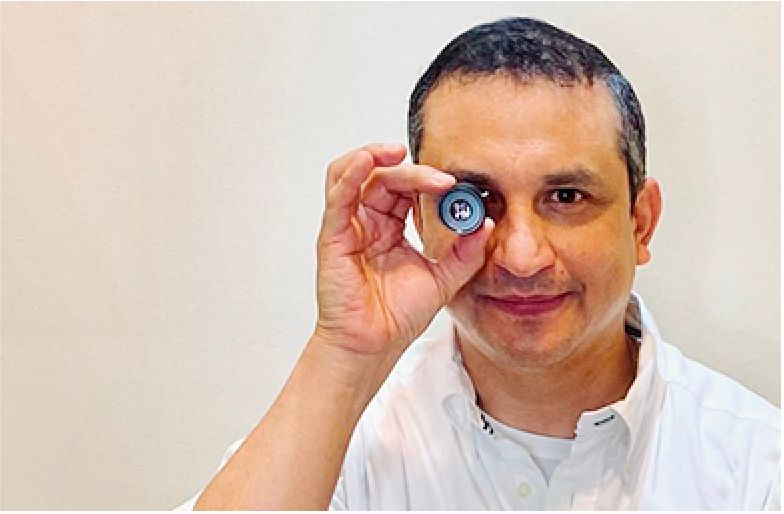
Adult patient with a magnifier

Adults

Visual function to work, read and move safely.

We assess visual changes in adults and their impact on work and daily life, and coordinate with other specialties when needed.

  • Adult strabismus and double vision
  • Eye strain, convergence insufficiency and near-vision difficulties
  • Vision problems linked to neurological diseases
  • Second opinion and assessment of complex cases
  • Pre-operative assessment and functional follow-up after surgery
  • Adapting to visual changes after an illness, an injury or surgery

Related areas

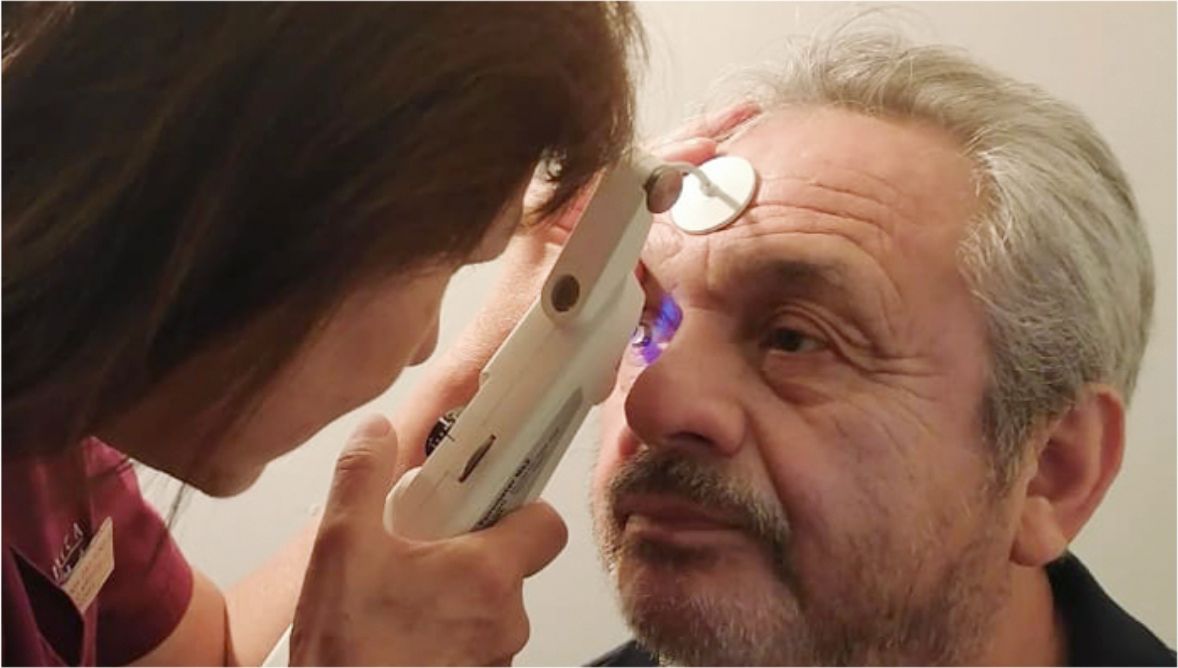
Older adult having their eye pressure measured

Older adults

Recovery, rehabilitation and independence.

We assess not only how much a person sees, but how they use their vision to read, get around, find their way, work, carry out daily activities and stay independent.

  • Low vision and functional adaptation
  • Recovery after surgery
  • Coordination with rehabilitation teams
  • Guidance for family and caregivers

Related areas

Preventive eye care and vision rehabilitation

Book an appointment (opens in a new tab)